Discovery Phase in Software Development
March 5, 2025 — 16 min read

One of the most common questions in digital product development is: Why do we need a discovery phase?
In my experience, skipping this crucial step often leads to unclear goals, misaligned expectations, and costly rework down the line. A well-executed discovery helps answer critical questions, aligns teams, and ensures that we’re building something valuable, feasible, and strategically sound.
The discovery phase can set the stage for success or lead to costly challenges if overlooked. The discovery phase isn’t just about gathering requirements — it’s about strategic alignment, user understanding, and setting a realistic project roadmap. Anyone who has ever been part of a discovery or built a product knows that this phase is the game-changer — shaping digital products that truly resonate with users and drive serious business value.
A discovery phase is essential for:
Investing in discovery ensures that the product is strategically aligned and technically feasible, reducing risks and optimizing resource allocation.
The discovery phase reduces risks, clarifies scope, and aligns stakeholders on goals and expectations. It allows teams to validate ideas, refine user journeys, and select the right technology stack. Done well, it avoids costly pivots during development and ensures that the product solves real user problems.
Key objectives:
Discovery is not a one-size-fits-all process, and the approach can differ significantly between a digital agency and a product company.
In a product company, discovery is often continuous, deeply embedded in the product lifecycle, and guided by long-term product strategy. Teams iterate over time, fine-tuning user experience and technical solutions based on ongoing insights.
In a digital agency, such as Q, discovery is usually time-boxed and project-specific. The challenge lies in rapidly aligning with the client’s vision, uncovering unknowns, and defining a viable roadmap within strict deadlines. Unlike product teams that can iterate indefinitely, agencies must strike a balance between thorough research and efficiency, ensuring that discovery delivers maximum value within a limited timeframe. Each project brings different requirements, stakeholders, and constraints, making customization essential.
One of the biggest mistakes in discovery is applying a generic, templated approach to all projects. Every client has unique needs, challenges, and goals, which means discovery should be tailored to fit the project context, industry, and business model. A startup developing a new SaaS product requires a different discovery process than an enterprise upgrading a legacy system.
To determine the right type of discovery for our clients, we follow a structured approach:
1. Understanding the client’s business context:
2. Identifying project complexity & constraints:
3. Choosing the discovery focus:
By customizing the discovery approach based on the client’s business model, technical landscape, and market positioning, we ensure that our findings are relevant, actionable, and aligned with their strategic goals. A rigid framework won’t work — each project requires a dynamic approach that adapts to its unique context.
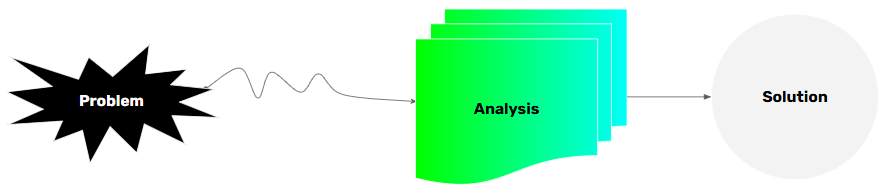
At Q, we tailor our discovery processes to the unique needs of each client and project, ensuring that every engagement is relevant, effective, and continuously evolving to meet emerging challenges and opportunities.
The three main types of discovery are:
Strategy Discovery aligns the product vision with business goals and market needs. It ensures that the product is not only technically feasible but also strategically sound.
In strategy discovery we are focused on providing answers to 3 main questions:
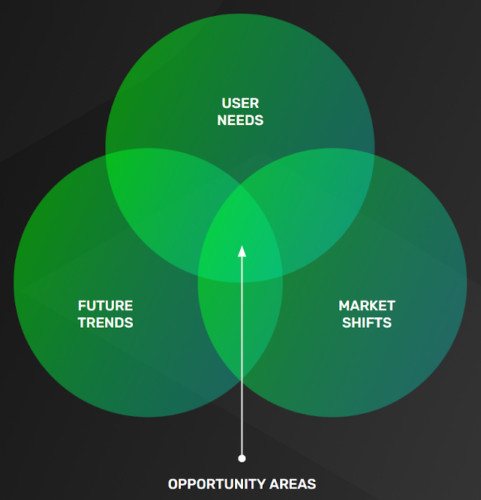
Strategy discovery is not just about defining a roadmap — it involves structured exploration, validation, and refinement of ideas before committing to full development.
The Q Innovation Process provides a structured framework for strategy discovery, ensuring that ideas are validated before moving into full development. The process follows these key phases:
This iterative approach ensures that businesses make informed decisions, reducing risks while fostering innovation-driven growth.
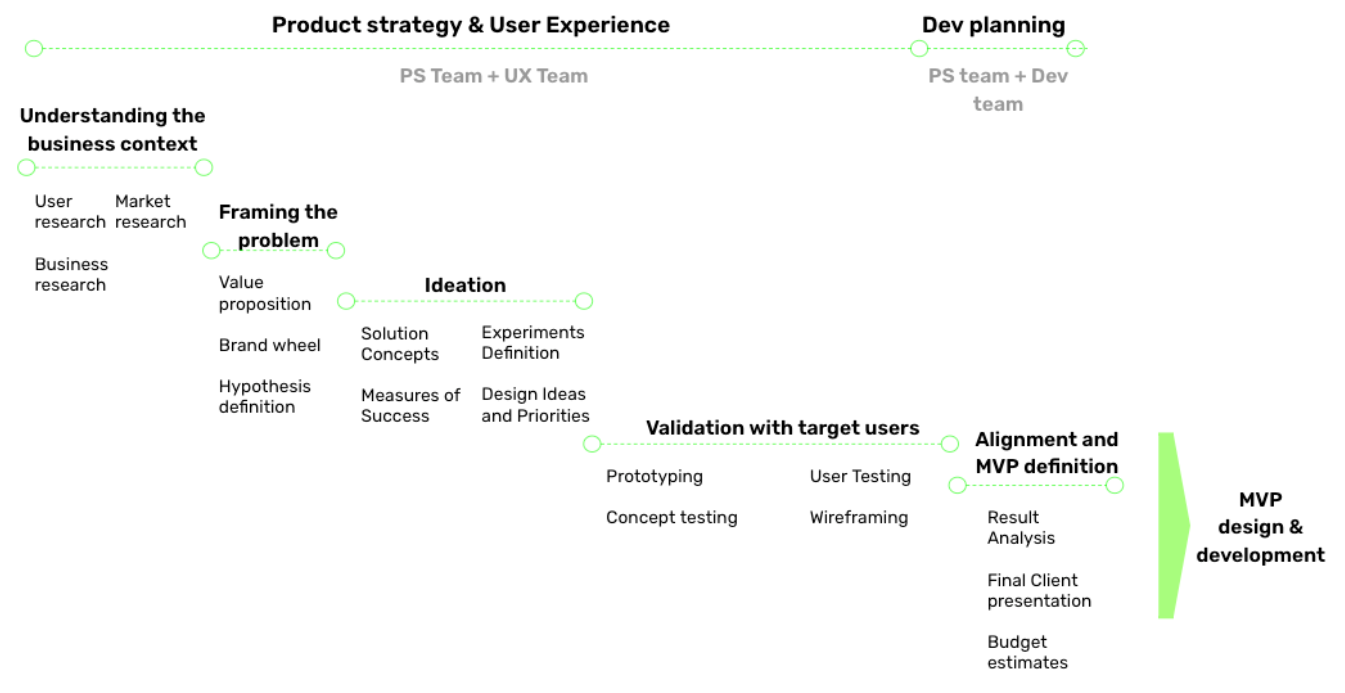
Strategic product roadmap – one of the deliverables from the discovery phase
A well-executed Strategy Discovery helps businesses avoid costly missteps and ensures that every investment aligns with market needs and business goals. It delivers value by:
Clients should select Strategy Discovery when they:
Investing in Strategy Discovery helps businesses make smarter financial decisions:
Technical discovery assesses the technical feasibility of the solution.
It involves evaluating the current system architecture, identifying technical challenges, and selecting the right technology stack.
The specific deliverables in a technical discovery vary based on project needs. Some deliverables are essential for all technical discoveries, while others depend on project complexity, existing infrastructure, and specific technical challenges.
The decision to include additional deliverables is based on the project’s complexity, timeline, and business goals.
Must-have deliverables (essential for all technical discoveries):
Should-have deliverables (depending on discovery needs):
A well-executed Technical Discovery ensures that businesses invest in a solution that is scalable, secure, and technically feasible. Without it, projects risk costly delays, system failures, and unforeseen technical bottlenecks. Here’s how it delivers value:
Clients should select for Technical Discovery when they:
Investing in Technical Discovery prevents costly mistakes and maximizes ROI:
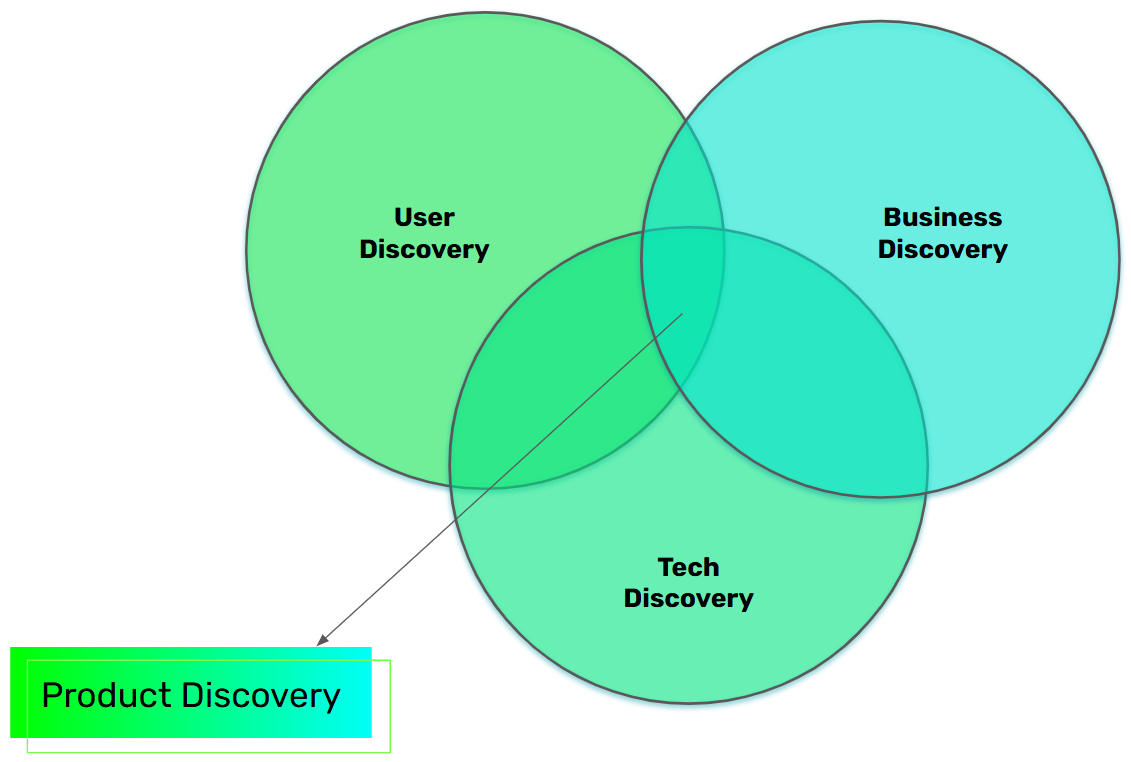
A well-structured Product Discovery ensures that businesses invest in products that are user-driven, market-aligned, and technically feasible. Without it, teams risk building features that don’t resonate with users, leading to low adoption and wasted resources. Here’s how it delivers value:
Clients should select Product Discovery when they:
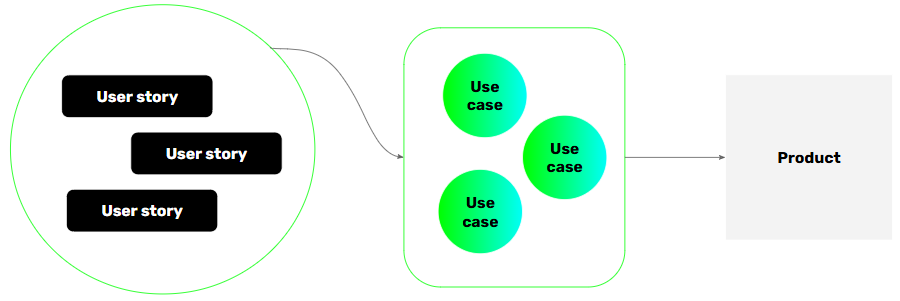
The scope of Product Discovery deliverables depends on the duration, complexity, project needs, and budget. A lean discovery may focus on core research and an MVP roadmap, while an extended discovery could include deeper user research, prototyping, and validation.
Core deliverables (common across all product discoveries):
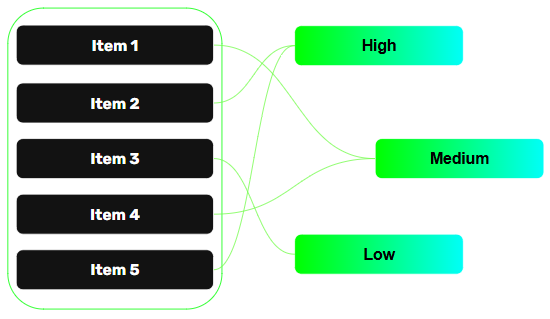
Extended deliverables (depending on project needs & budget):
By tailoring the Product Discovery deliverables to the project’s scope, we ensure businesses get the insights and validation they need — without over-investing in unnecessary activities. The flexibility of the discovery phase ensures that companies build the right product with the right strategy from day one.
Each type of discovery serves a distinct purpose, depending on the project needs and business objectives. The table below provides a high-level comparison:
| Aspect | Strategy Discovery | Product Discovery | Technical Discovery |
|---|---|---|---|
| Purpose | Align product vision with business goals and market needs. | Validate user needs and define the best product approach. | Assess technical feasibility and system requirements. |
| Key Questions Answered | Is this the right product for the business? What is the market opportunity? | Does this product solve a real problem for users? What features should be prioritized? | Is the solution technically feasible? What are the risks and constraints? |
| Main Activities | Market research, business model validation, competitive analysis, roadmap planning. | User research, prototyping, defining MVP scope, usability testing. | Architecture planning, tech stack selection, risk analysis, infrastructure review. |
| Key Deliverables | Business strategy, competitive landscape analysis, value proposition definition, strategic roadmap. | User personas, MVP definition, wireframes/prototypes, product roadmap. | High-level architecture, tech stack recommendations, risk assessment, infrastructure diagrams. |
| When to Choose | When entering a new market, redefining a business model, or ensuring alignment between business goals and product development. | When launching a new product, refining an existing one, or improving user experience. | When working with complex systems, new technologies, or projects requiring high scalability and performance. |
| Key ROI Benefits | Ensures market fit, minimizes business risk, improves stakeholder confidence. | Reduces development waste, improves adoption rates, prioritizes high-value features. | Lowers technical risks, prevents costly redevelopment, ensures system scalability. |
A global leader in the dental industry needed to modernize its medical education (MedEdu) tracking system. Their existing process relied on manual data entry and fragmented tools, making it difficult to generate insights on education activities, customer touchpoints, and editorial planning. The goal was to develop a centralized platform that would allow users to log in with a single credential and manage their educational reports efficiently.
To define a scalable and efficient solution, we conducted a 5-week discovery phase, focusing on:
1. Understanding the current system (AS-IS Analysis)
2. Defining the future state (TO-BE Analysis)
3. Technical and product validation
4. Finalizing deliverables
The project resulted in:
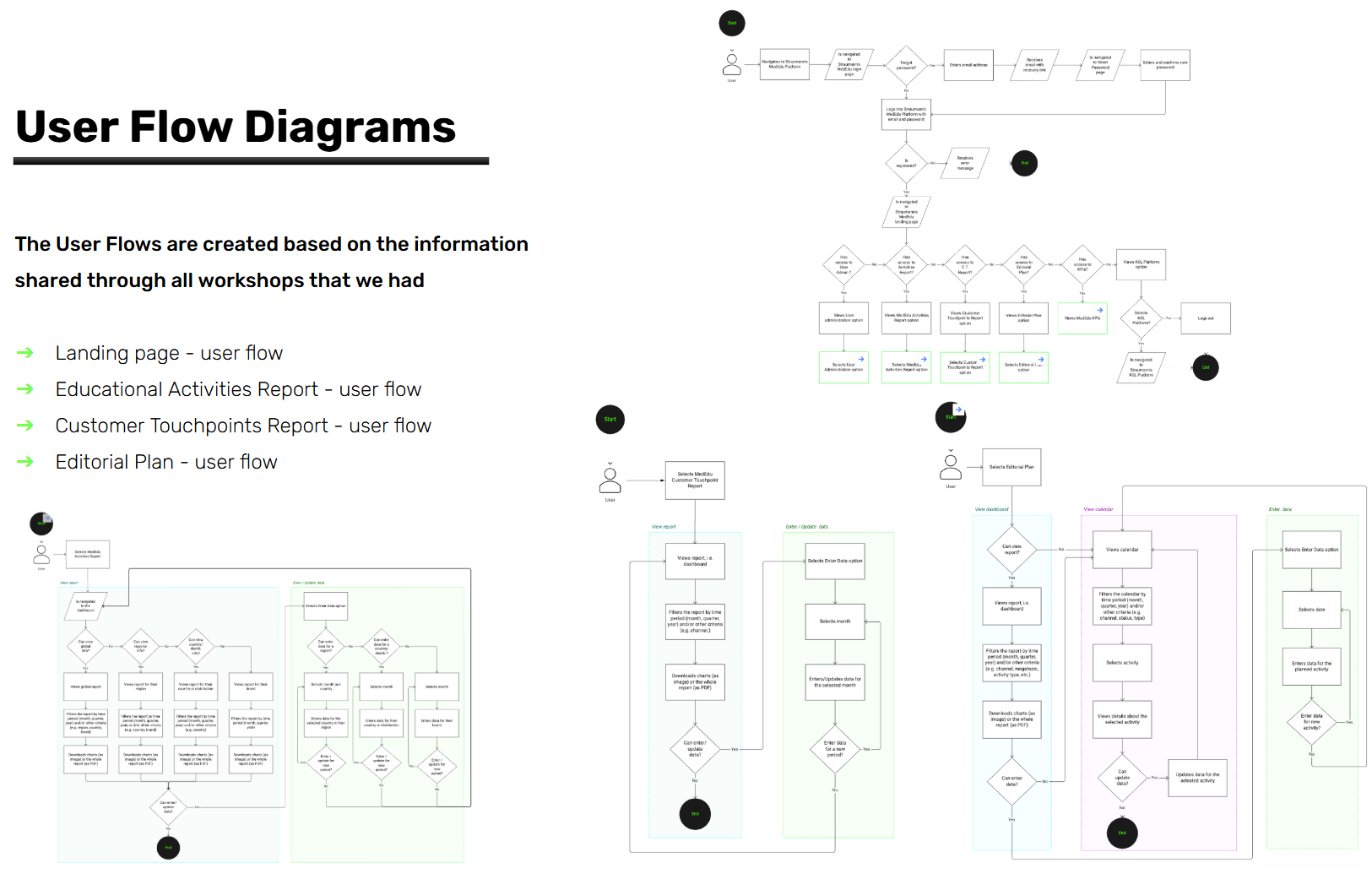
→ User Flow Diagrams
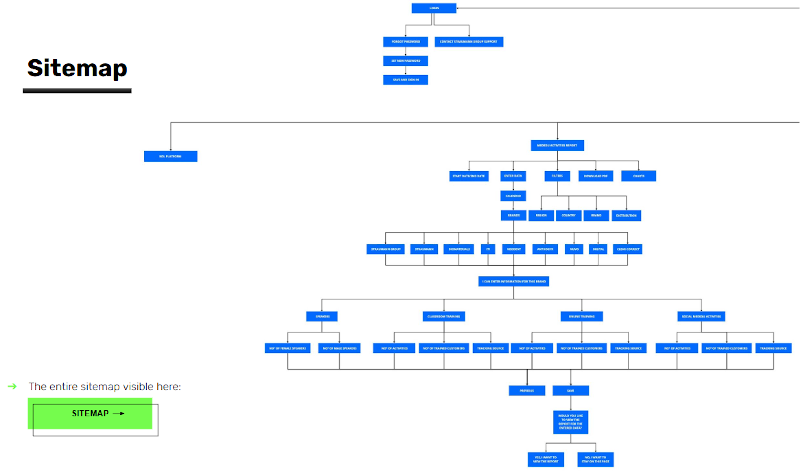
→ Sitemap
→ 32 wireframes detailing user interactions.
→ User stories & backlog with 12 epics and 82 user stories to structure development.
→ Technical documentation outlining system architecture and integrations.
→ MVP scope definition with estimated development effort between 560-844 man-days.
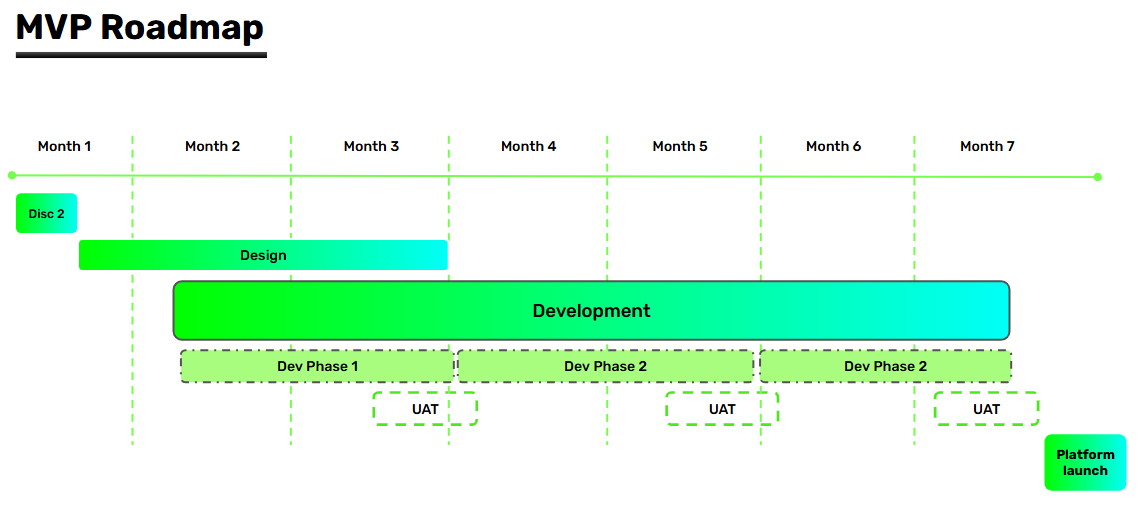
By investing in discovery, the client:
After years of working on digital products, one truth remains constant: a strong foundation is everything. Discovery is that foundation. When businesses choose to bypass this crucial step, they are gambling with time, money, and user trust. Here’s what happens when discovery is ignored:
🚨 No clear market need: Imagine investing months into development, only to realize that no one actually needs what you built. Without early validation, teams risk creating solutions that lack real demand.
⚠️ Scope creep & missed deadlines: Without a structured discovery, new features get added mid-development, deadlines shift, and projects spiral out of control. What should have been a streamlined MVP turns into a bloated, unfinished product.
👥 Loss of customers & poor first impressions: Users form opinions fast. A product that launches with poor UX, missing features, or technical issues is unlikely to win back frustrated customers. Without user research and use case validation, the first version could be the last.
💰 Unnecessary costs & rework: Fixing problems in development is 5-10x more expensive than catching them in discovery. From infrastructure changes to rethinking the user journey, skipping discovery often leads to major rework — burning time and budget.
🛠 Choosing the wrong tech stack: Technology decisions made without proper assessment can cripple a product’s scalability. Discovery ensures that the right architecture, integrations, and frameworks are selected from the start.
Discovery isn’t a luxury — it’s a strategic necessity. Whether launching a new product, improving an existing one, or scaling for growth, skipping discovery is a risk no business can afford. The smartest companies don’t just build fast; they build right — by ensuring every decision is backed by research, validation, and strategic planning.
Contact us to set up a meeting to discuss the discovery needs for your digital product.

With over 18 years of IT experience, Hana began her journey as a developer and engineer before transitioning to solution architecture and business analysis. She loves working on projects that blend creativity, analytical thinking and customer adaptability.
Partner with us