
UX AND UI DESIGN THAT WORKS
We design intuitive, scalable UX and UI experiences that connect user needs with business goals. From research and prototyping to structure and production-ready interfaces, we shape complex digital products that are easy to use, visually consistent and built to evolve.
Selected UX/UI work
Our design work spans consumer products, enterprise tools, operational platforms, and mobile experiences. These projects show the range of products we design and the kinds of teams we work best with.
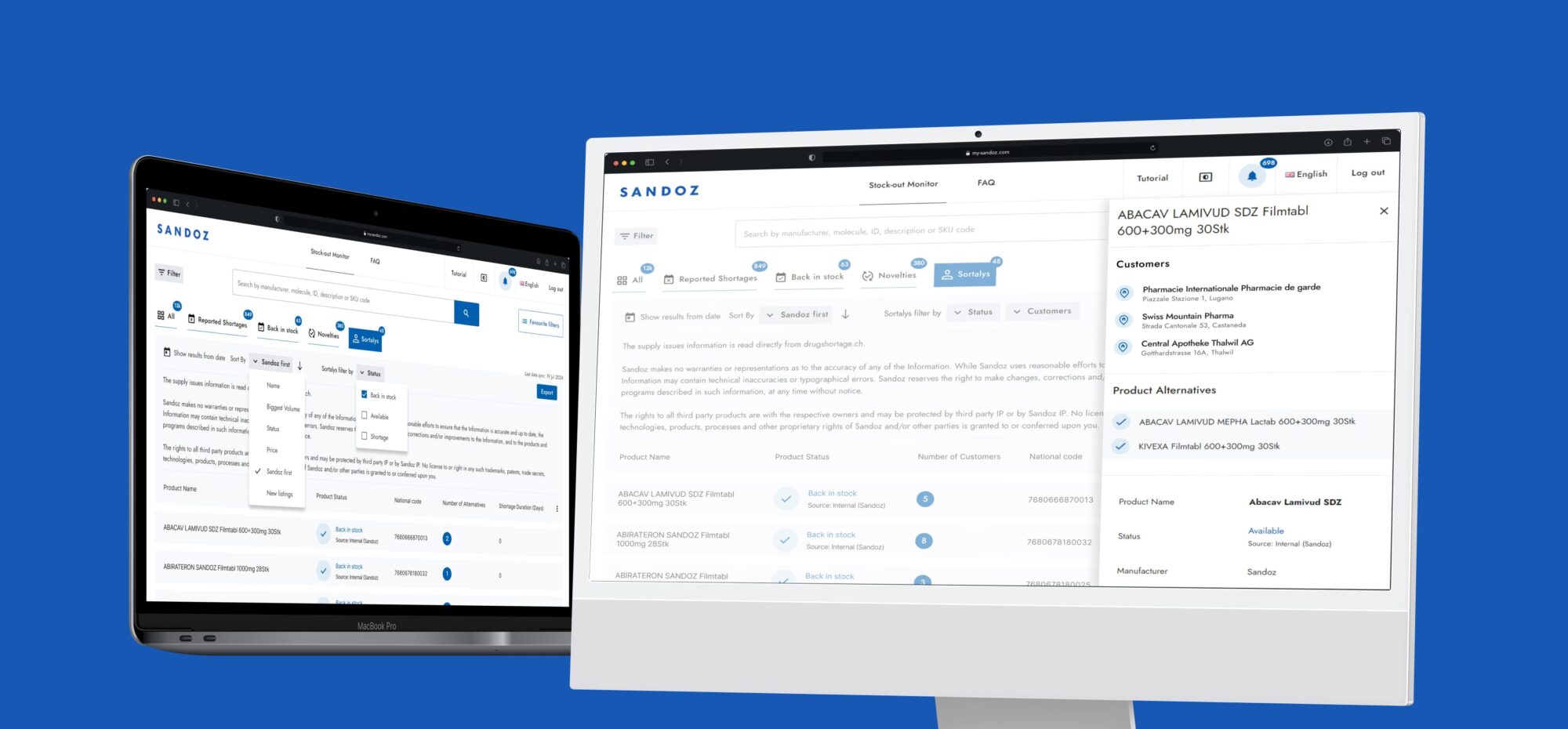

Creating a Scalable Real-Time Drug Shortage Platform for multiple Markets
UX/UI design focused on clarity and speed — creating an interface that helps pharmacists quickly find and act on real-time drug shortage data.
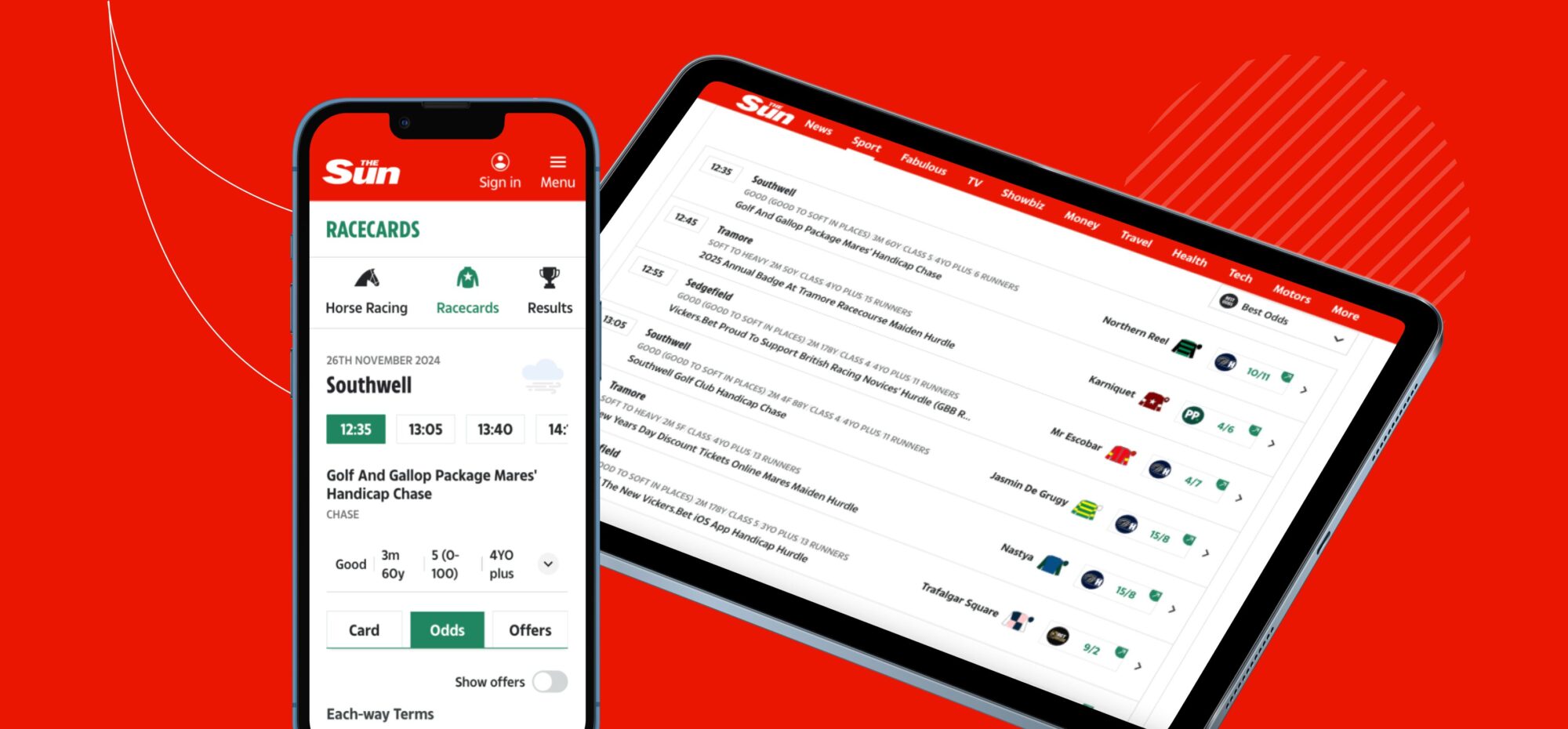

Designing and Engineering Digital Platform for The Sun’s 30+ Million Readers
Redesigning UX and UI to simplify navigation, improve content discovery, and support scalable delivery across one of the UK’s largest publishers.
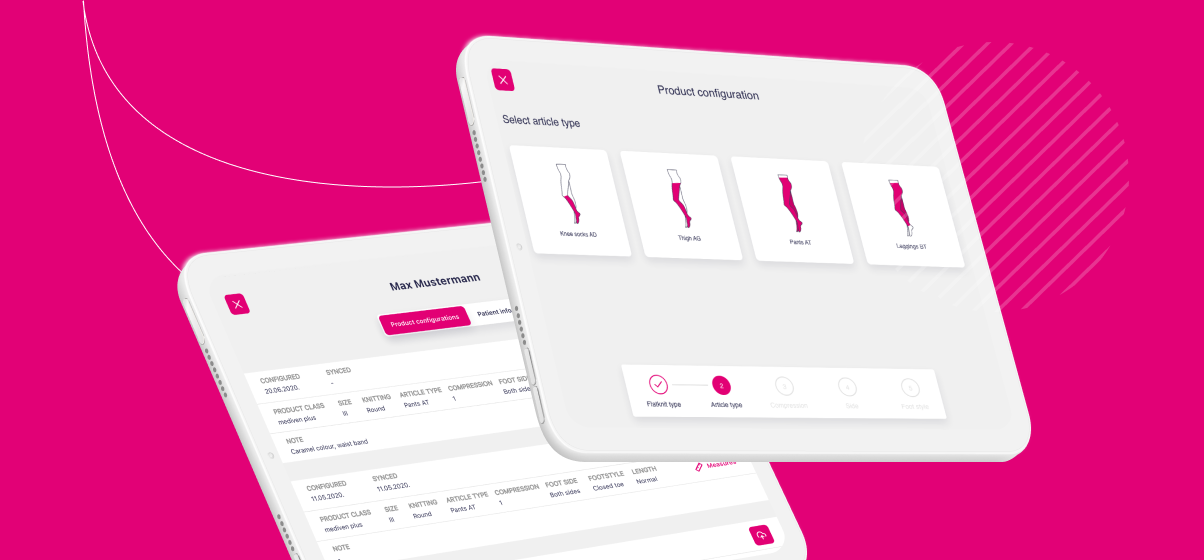

DESIGNING interactive 3D MOBILE EXPERIENCE FOR BODY MEASUREMENT
Defining UX and UI for a mobile app that simplifies complex measurements, improves usability, and delivers an intuitive and accessible user experience.
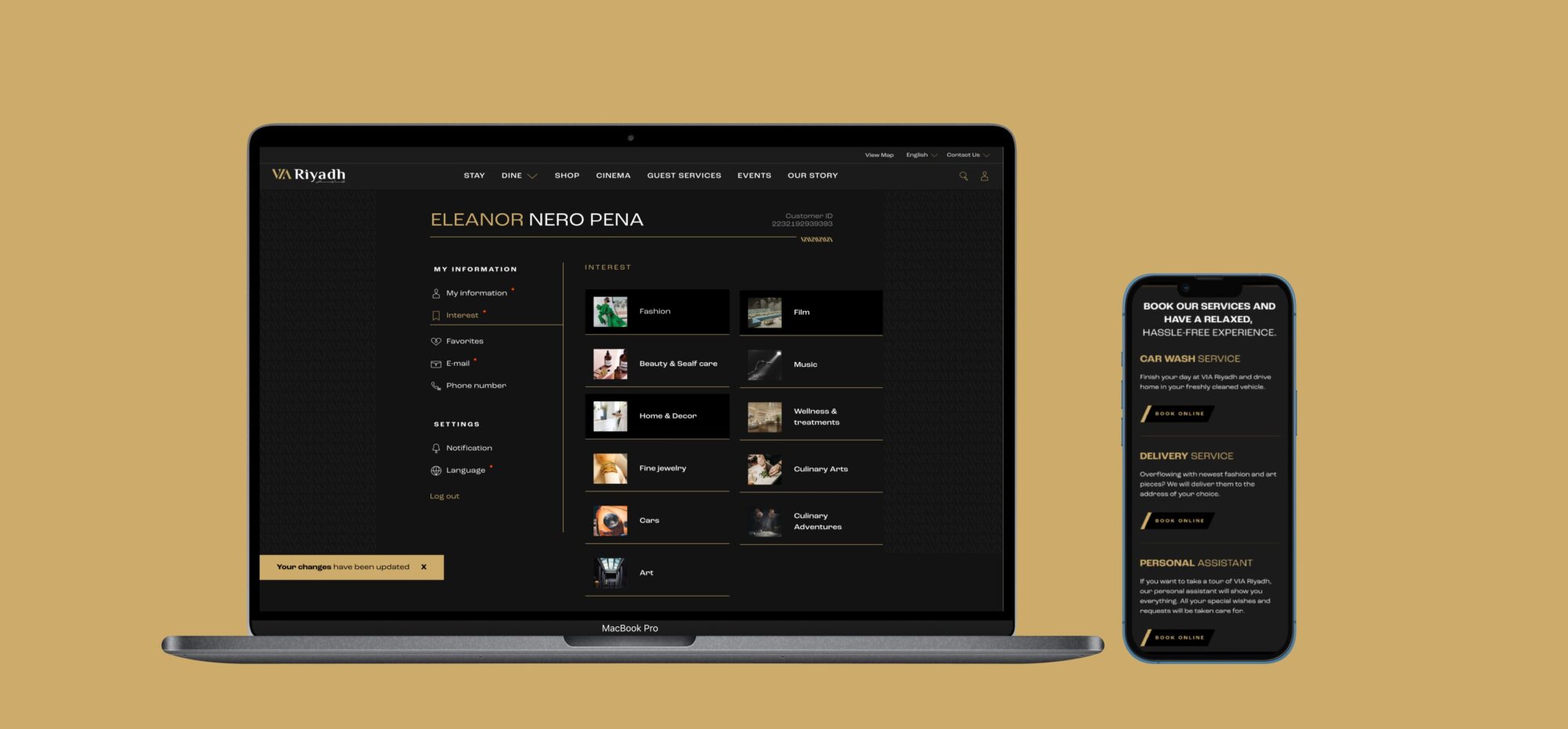

CREATING A DIGITAL EXPERIENCE FOR A LEADING LUXURY DESTINATION
Creating UX and UI for web and mobile platforms to enable seamless navigation, improve user journeys, and support premium on-site experience.
WHAT YOU GET
Our UX and UI design services deliver clear, structured outputs that support product development, reduce uncertainty, and ensure long-term scalability and consistency.
User Research Insights
A clear understanding of user needs, behaviours, and pain points based on research, interviews, and data analysis—used to guide design decisions and prioritise features.
UI Designs and Design Systems
Visually consistent, high-quality interfaces supported by scalable design systems, reusable components, and clear guidelines for long-term product growth.
User Flows and Architecture
Well-defined user journeys, information architecture, and navigation that structure how users interact with your product and move through key actions.
Interaction and Usability Improvements
Optimised interactions, microinteractions, and usability patterns that reduce friction and improve overall user experience across devices and platforms.
Wireframes and Prototypes
Low- and high-fidelity wireframes and interactive prototypes that validate ideas early, test usability, and align stakeholders before development begins.
Design Documentation and Handoff
Detailed design specifications, assets, and documentation prepared for development teams, ensuring smooth implementation and reducing misalignment.



How UX and UI Design Works
Understand Users and Business Context
We start by understanding user behaviour, business goals, and existing product challenges. Instead of relying on assumptions, we use research, data, and stakeholder input to define what actually needs to be solved.
Structure the Product Experience
We define user flows, information architecture, and key interactions. This creates a clear product structure and ensures users can move through the product intuitively and without friction.
Design and Validate Concepts
Through wireframes and interactive prototypes, we test ideas early, align stakeholders, and validate usability before development begins.
Design the Interface and System
We create UI designs that are not only visually consistent but also scalable. Design systems, components, and patterns are built to support long-term product growth.
Collaborate and Iterate with Development
Design is closely aligned with development to ensure feasibility, speed, and consistency. We iterate based on feedback, usage data, and evolving product needs.
From ISO to AWS, we got it
Quality & reliability
We pride ourselves on delivering top-tier quality and reliability, backed by our AWS Select Tier partnership and recognition by Clutch as one of the top 15 companies in our field. Our commitment is reinforced through ISO-certified standards in quality, security, and privacy – ensuring our clients receive services that are consistently secure, compliant, and dependable.





WHEN TO INVEST IN UX AND UI DESIGN
UX and UI design has the biggest impact when it’s used to solve real product challenges, not just to improve visuals.
Launching a New Digital Product
Early design helps define structure, validate ideas, and reduce risk before development starts.
Scaling a Product Across Platforms
When consistency across web, mobile, and other touchpoints becomes critical.
Redesigning an Existing Product
When usability issues, poor engagement, or outdated design limit product performance.
Aligning Teams Around One Product Vision
When product, design, and engineering teams need a shared direction and clear documentation.
Improving Conversion or Engagement
When users drop off, struggle to complete actions, or don’t interact with key features.
Validating Ideas Before Development
When concepts need to be tested and refined through wireframes and prototypes before committing to development, reducing risk and avoiding costly rework.
Partner with us
Ready to design a better user experience?
FAQ
How do you ensure design decisions align with development constraints?
Design and engineering teams collaborate from the start, ensuring all solutions are technically feasible and ready for implementation. This reduces rework and speeds up delivery.
Can UX and UI design work independently of development?
Yes, design can be delivered as a standalone phase (e.g. discovery, prototyping), but the best results come when design is closely aligned with development and product decisions.
How do you approach redesigning complex or legacy systems?
We start by analysing existing workflows, identifying usability issues, and prioritising improvements. Redesign is done incrementally to minimise disruption while improving usability and performance.
How do you balance business goals with user needs in design?
We align both through research, prioritisation, and validation. Design decisions are based on real user behaviour while supporting key business outcomes such as conversion, retention, and efficiency.