Your Guide to Mastering the Digital Product Design Process
January 17, 2025 — 8 min read

When it comes to creating digital products, one of the most important things in today’s ever-changing tech landscape is having a structured and well-defined digital product design process. It doesn’t matter if we’re creating a website, mobile or web app or some other software products, a well-thought-out design process is crucial to make user experience efficient and user-friendly. In this guide, we’ll go through the key stages of the digital product design process, and highlight one of Q’s standout design examples.
The role of a good digital design process is to make your product both functional and aesthetic. Not to mention, the focus should be on user-centricity and usability as well. A well-designed product is easy to navigate, and has one essential goal. To meet the needs of your end user.
So, what can help make the product user-friendly? Taking into account the design that’s aligned with the brand’s identity — as this makes your product on-brand and, ultimately, improves the overall UX.
Another important thing is responsiveness, and taking into account that your product has a “smooth” user experience across all devices — whether we’re talking about computers, smartphones, or tablets.
Relying on your users’ feedback is more than essential, so that you can upgrade your product more easily based on what you get from people who the product was made for. With these things in mind, your well-designed product is most likely bound to shine.
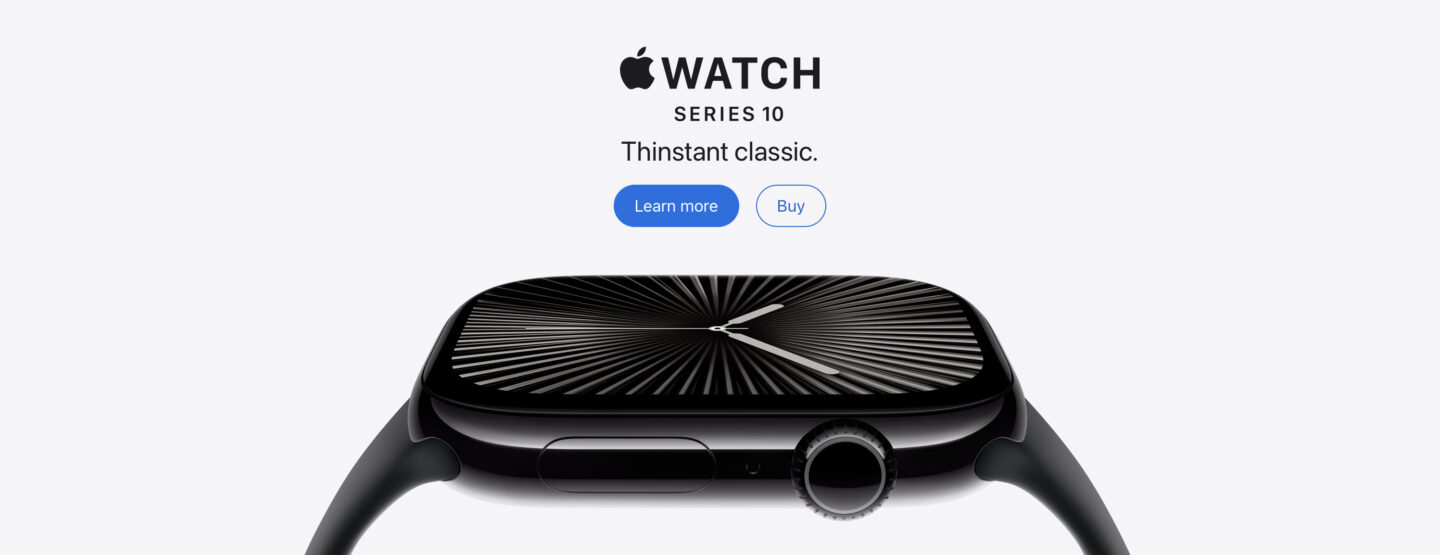 It’s no secret Apple is owning the design game — a clean, minimalistic & smooth approach is the(ir) way to go.
Here’s our breakdown of the 6 stages of designing and crafting a successful digital product that stands out from the rest.
Understanding the problem you’re solving is key to delivering a successful final product. In the research and discovery phase of the process, the main step is collecting information from your client that will be your project’s pillar and create an important framework for the next stages.
Key Steps:
Result: A better, clearer view of your target audience needs, market demands, and project goals.
After getting the broader picture with insights regarding your audience and competitors, the next step involves discussing and ideating the product concept.
Key Steps:
Result: The team working on the project now has a conceptual design, workflow and wireframes essential for the next phase, based on which they can fine-tune the product’s concept.
Prototyping is an iterative digital product design process that transforms your concepts to interactive models and allows the team to refine them accordingly. It’s a crucial step as it gathers information from users and checks if it meets the necessary requirements before the next phase — development.
Key Steps:
Result: A comprehensive prototype that will serve as the blueprint for software development.
This stage is about refining the visual and interaction elements so that they’re in line with the brand and meet user expectations. Designers work hands-on with stakeholders to achieve a balance between functional and aesthetic.
Key steps:
Result: Design files ready for development. At this point, designs need to incorporate both functional and aesthetic requirements that should be fully aligned.
This stage serves as the intermediary between design and development and ensures that the final product matches the intended design concept. At this stage, collaboration among the teams is extremely important.
Key Steps:
Result: A fully functional product developed in line with initial design specifications. This is the stage that leads to a successful product launch.

The last stage is the delivery of the product to users and iteration based on real-world user feedback and usage analytics. By continuously refining it, this stage ensures the product remains competitive and relevant.
Key Steps:
Result: A product that continues to be improved based on user expectations and market demand. This final stage lays the groundwork for a feedback loop for future development and product enhancements.
Designing a good digital product often faces problems like different expectations among stakeholders involved ‒ and that’s why clear communication and alignment from the very start are crucial. Because crafting designs that are future-proof needs thinking ahead and adjusting your product to changing technologies as well as user needs.
Addressing these challenges involves structured feedback loops, prototyping, and dedicated project management. By targeting these priorities strategically, teams can make designs that are not only innovative and creative, but also helpful and practical for the broader community.
Now this is a project we are very proud of. It’s called Airex, a Swiss company that produces high-quality training mats and other specialty foam products. This company is dedicated to sustainability by creating eco-friendly products that enhance energy efficiency and reduce environmental impact.
Q team conducted a much needed user and trainer research to gain a deep understanding of the challenges and opportunities of digital training apps. For our client, Airex, we delivered product vision and strategy, user research, product discovery, design — following the process of digital product design guidelines, as well as web and mobile app development.
Results? Shaping and creating a mobile app and web app that engages more users and trainers, helps the company build a trustworthy relationship with amazing Airex products with 40+ pre-recorded videos and a 100% increase in live stream & screencasting.
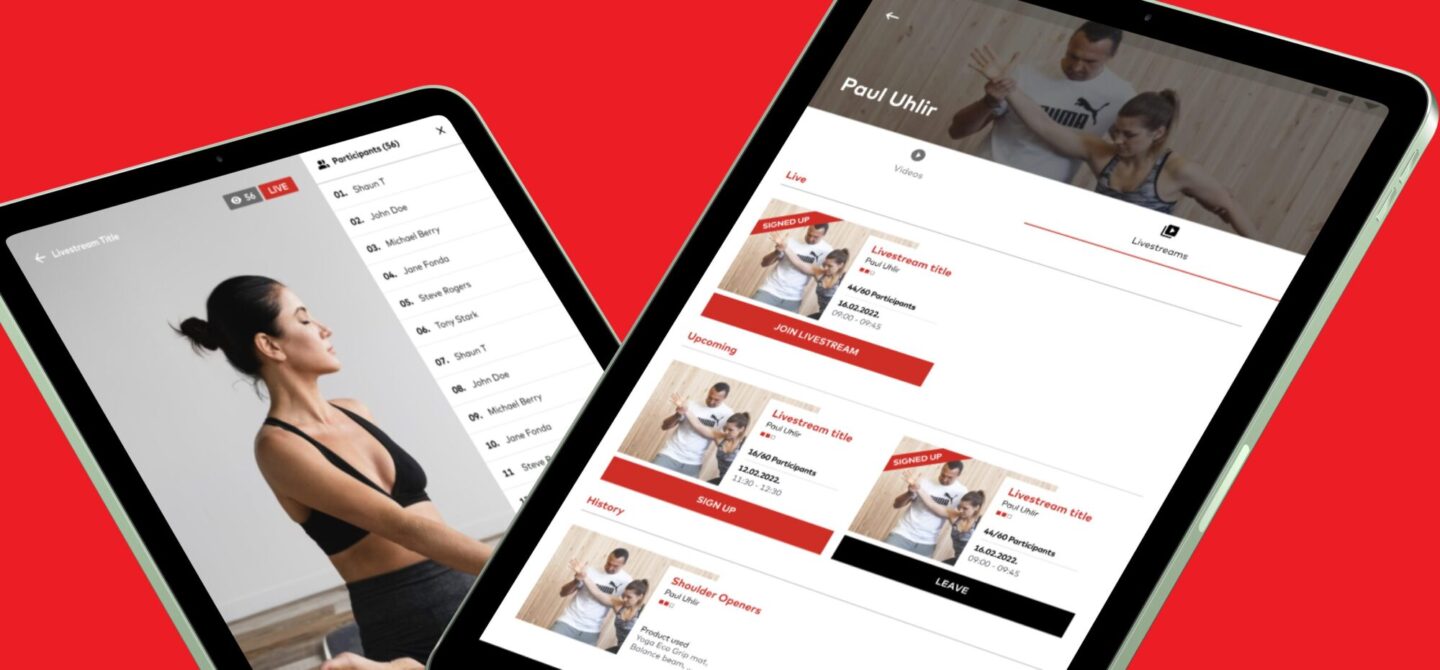
Following the digital product design process guidelines, we delivered the new Airex web and mobile app, that you can read more about in our case study.
The process of designing a digital product is complex, and it requires a combination of creative and strategic thought and collaboration. These stages help to ensure that products are created with both eye-catching design and functionality in mind. The step-by-step approach to the process makes it easier to help adjust, learn from past mistakes, and keep optimizing your new product for a successful launch in a competitive market.
By applying the steps we covered in this blog post, whether you’re a designer, developer, or product manager, it’s easier to meet the necessary requirements, innovate more efficiently, and create digital experiences built to last. Want to get started on building your next best-in-class digital product? Let’s make it happen. Together.

qadmin
Partner with us