
New Product Discovery DefineS Scope and ValidateS Product Direction
New product discovery helps define what to build before development begins. Through user research, stakeholder input, workshops and rapid prototyping, we validate user needs, technical feasibility and business value early – reducing uncertainty and giving teams a clear direction before committing to delivery.


Proven Results for Global Clients
Have a closer look at how structured product discovery helps define scope, align stakeholders, and set a clear direction for complex digital products before development begins.
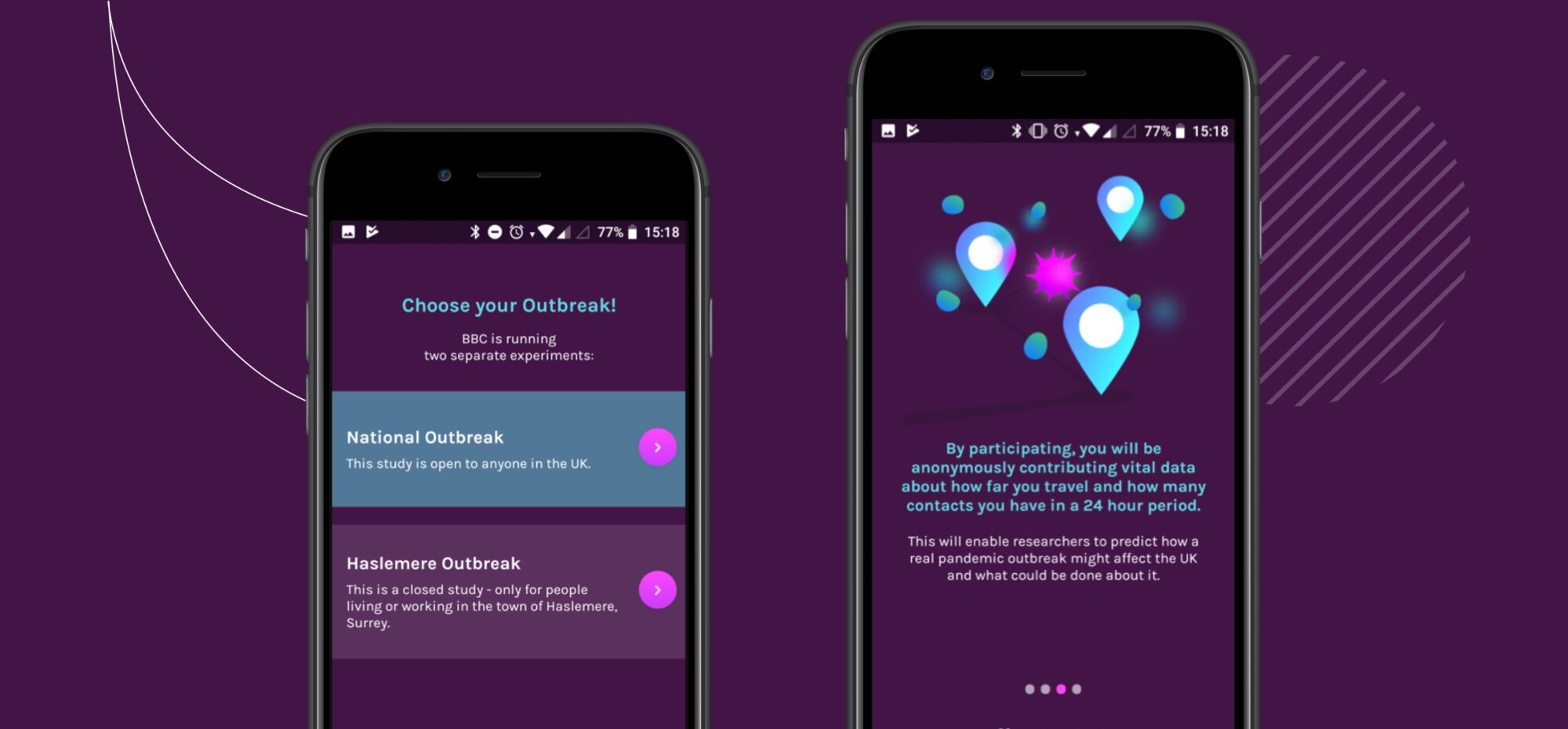

MAKING HEALTH INFORMATION ACCESSIBLE DURING A GLOBAL CRISIS
Using product and technical discovery to define scope, validate the concept, and prepare a mobile solution for large-scale user participation.
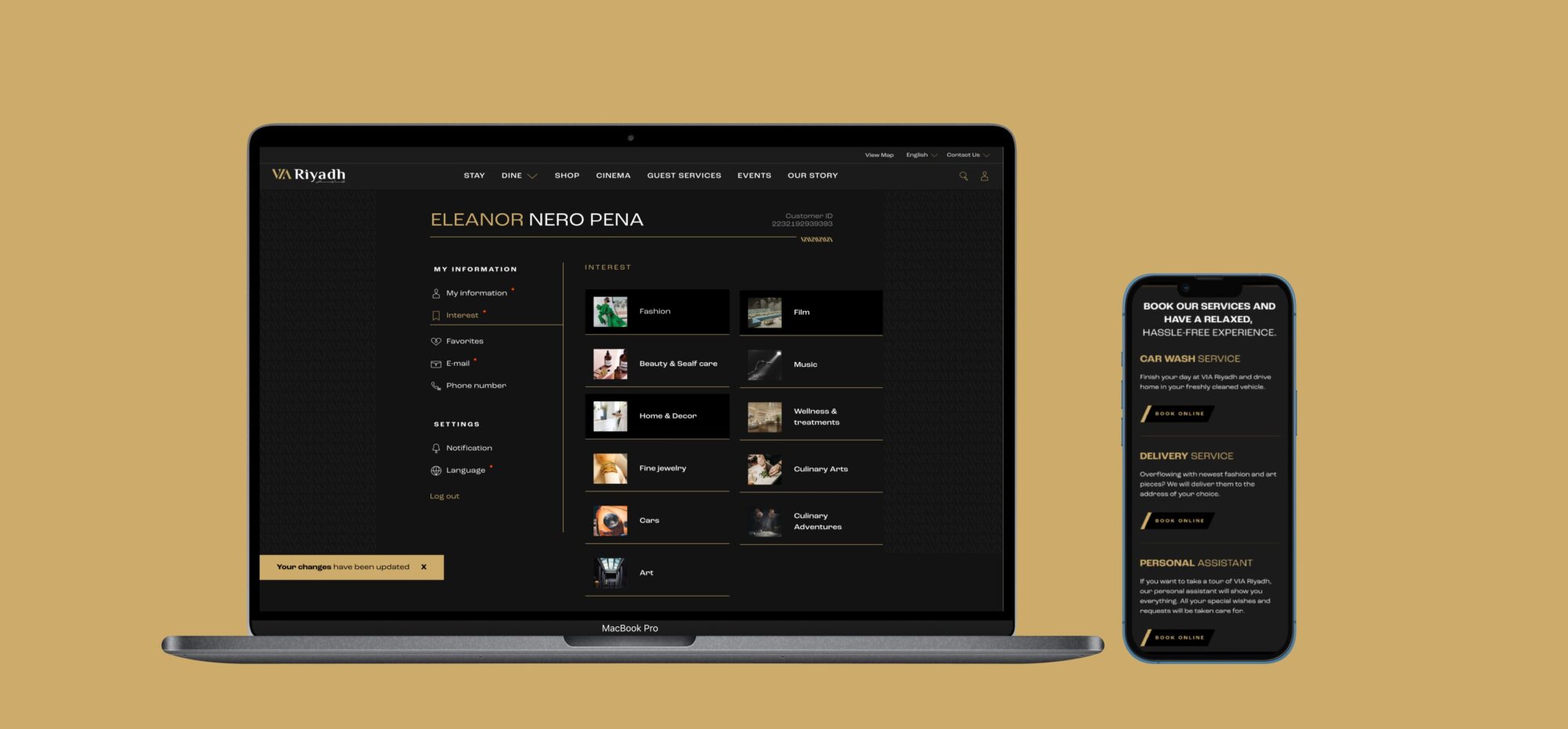

CREATING A DIGITAL EXPERIENCE FOR A LEADING LUXURY DESTINATION
Running discovery workshops to define requirements, user journeys, and platform scope for a large-scale digital experience at a premium destination.
What You Get Is Clarity Before You Build.
You gain validated ideas, a clear scope, and a roadmap that supports faster, more predictable delivery.
From ISO to AWS, we got it
Quality & reliability
We pride ourselves on delivering top-tier quality and reliability, backed by our AWS Select Tier partnership and recognition by Clutch as one of the top 15 companies in our field. Our commitment is reinforced through ISO-certified standards in quality, security, and privacy – ensuring our clients receive services that are consistently secure, compliant, and dependable.





What we evaluate
User Needs & Problem Validation
Validates real user problems through interviews and research, ensuring the product addresses actual needs.
Concepts & Prototypes
Tests ideas through low- and high-fidelity prototypes to validate usability, desirability, and direction early.
Business Goals & Product Alignment
Ensures the product supports business objectives, target outcomes, and long-term strategy.
Technical Feasibility
Assesses whether the proposed solution can be built efficiently within existing constraints, systems, and resources.
User Journeys & Processes
Maps how users interact with the product across key steps and identifies gaps, friction points, and opportunities for improving the overall experience.
Scope & Roadmap Definition
Defines a clear backlog, priorities, and roadmap to guide development and reduce uncertainty.
Partner with us
Have a project or
AN idea to discuss?
FAQ
What is product discovery in software development?
Product discovery is the process of understanding user needs, validating ideas, and defining what to build before development starts. It helps teams reduce risk and ensure they are solving the right problem.
When to use new product discovery?
When starting a new product or digital initiative.
When product direction is unclear or based on assumptions.
When aligning multiple stakeholders and priorities.
When planning a new feature set or platform redesign.
When you need to define scope before development begins.
Why is product discovery important before development?
It prevents teams from building features or products based on assumptions. By validating ideas early, it reduces wasted time, cost, and rework later in the development process.
What changes after PRODUCT DISCOVERY?
Teams move from assumptions to validated direction. Decisions become clearer, priorities more focused, and development more predictable. Instead of guessing what to build, you move forward with a plan grounded in real user and business needs.
What are the outputs of a product discovery phase?
Typical outputs include validated concepts, user insights, prototypes, a prioritised backlog, and a clear product roadmap that guides development.